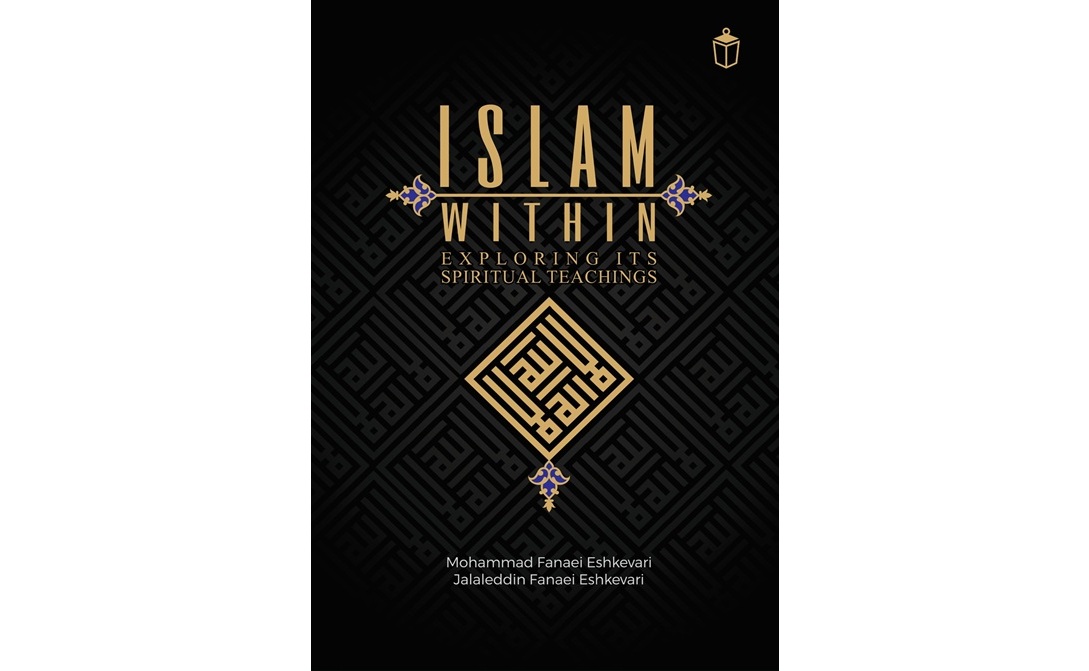
انتشار کتابی جدید در عرفان و معنویت اسلامی به زبان انگلیسی
انتشار کتابی جدید در عرفان و معنویت اسلامی به زبان انگلیسی
Islam Within:
Exploring Its Spiritual Teachings
نویسندگان:
محمد فنائی اشکوری
جلالالدین فنائی اشکوری
ناشر:
Misbah Publications
سال انتشار: 2026
در عصر حاضر که انسان بیش از هر زمان دیگری در جستجوی معنا و پاسخ به پرسشهای بنیادین وجودی خویش است، کتاب «اسلام از درون: کاوشی در آموزههای معنوی» دریچهای نو به سوی حکمتهای معنوی نهفته در قلب اسلام میگشاید. این اثر که حاصل سالها تحقیق و تدریس نویسندگان در حوزهی فلسفه و عرفان اسلامی است، میکوشد تا عرفان را نه به عنوان پدیدهای تاریخی و منزوی، بلکه به عنوان سنتی پویا و راهگشا برای چالشهای فکری و اخلاقی انسان امروز معرفی کند.
ویژگیهای برجسته این کتاب:
تمرکز بر بُعد باطنی: این کتاب با تأکید بر «باطن» اسلام، به بررسی تقابلها و تعاملات ظریف میان ایدههای فلسفی و سلوک معنوی میپردازد.
پیوند سنت و مدرنیته: نویسندگان با بهرهگیری از میراث درخشان اندیشمندانی چون ابن عربی و ملاصدرا، به پرسشهای روانشناختی و فکری مردان و زنان معاصر پاسخ میدهند.
عرفان نظری و عملی: کتاب به تفصیل به هر دو حوزهی عرفان نظری (شناختشناسی و جهانبینی عرفانی) و عرفان عملی (سلوک، مراحل و مقامات معنوی) پرداخته و رابطهی میان این دو را تبیین میکند.
پاسخ به چالشهای معاصر: یکی از بخشهای متمایز این اثر، بررسی نسبت عرفان با موضوعاتی همچون صلح جهانی و حفاظت از محیط زیست است که نشاندهندهی کارکرد اجتماعی معنویت در جهان امروز است.
دفاع از اصالت عرفان اسلامی: این کتاب با استناد به قرآن کریم و سنت معصومین (ع)، ریشههای اصیل عرفان را در متن وحی بازخوانی کرده و به نقد دیدگاههایی میپردازد که عرفان را پدیدهای وارداتی یا بیگانه با اسلام میدانند.
این کتاب که به زبان انگلیسی و با نثری روان و علمی نگاشته شده، مورد تحسین اساتید برجستهای چون سید حسین نصر و الکساندر کنیش قرار گرفته است. «اسلام از درون» تنها یک اثر آکادمیک نیست، بلکه راهنمایی است برای هر جستجوگری که به دنبال درکی عمیقتر از رابطه میان خالق و مخلوق و دستیابی به آرامش درونی در پرتو آموزههای وحیانی است.
در ادامه نظر (تقریظ) چند تن از استادان برجسته عرفان و تصوف و اسلام شناسی در سطح جهان درباره این کتاب را می بینید؛ استادانی مانند پروفسور سید حسین نصر استاد دانشگاه جرج واشنگتن، پروفسور الکساندر کنیش استاد دانشگاه میشیگان، پروفسور لوک تیموتی جانسون، پروفسور مارک سجویک و پروفسور لگنهاوزن:
There is so much being written today that concerns the social, political and economic aspects of Islam, to the extent that the spiritual teachings at the heart of the Islamic tradition is often forgotten. The present book renders a great service in pointing to the centrality of the inner dimension of Islam and the pertinence of its teachings for the world today.
Seyyed Hossein Nasr, University Professor of Islamic Studies, The George Washington University
Mohammad Fanaei Eshkevari and Jalaleddin Fanaei Eshkevari have provided an accessible, yet profound and comprehensive examination of Islamic ascetic-mystical tradition, paying special attention to the subtle interactions between its philosophical ideas and spiritual practices. The authors highlight the contributions of Iranian thinkers to the development of Islamic spirituality that remains highly pertinent to the psychological and intellectual quests of modern men and women.
Alexander Knysh, Professor of Islamic Studies, University of Michigan, Ann Arbor
Written in clear and accessible prose, beautifully organized, and supported by a range of ancient and contemporary authorities, Islam Within invites readers into a fascinating exploration of mysticism within the Islamic tradition, treating it not as a relic of the past but as an important, indeed critical, challenge to the present.
Luke Timothy Johnson, Candler School of Theology Professor Emeritus, Emory University
This book is a major advance for us all. There are several good introductions to Sufism and to the mystical dimensions of Islam, but this book introduces and explores the mystical dimensions of Islam from a new perspective. It is clear and systematic in its presentation, scholarly but yet accessible.
—Mark Sedgwick, Professor of Arab and Islamic Studies, Aarhus University
For those who want to understand what Islamic spirituality, Sufism, ‘irfan, and mysticism are and how these are related to religion and Islam, the present book offers a timely guide to these essential topics and their interrelations. It also introduces some key figures in the history of the inner dimensions of Islam, and discusses both theoretical and practical ‘irfan. The book shows that ‘irfan is not only of historical interest but is relevant to contemporary discussions of the environment and peace as well.
Muhammad Legenhausen, Professor of philosophy; author of Islamic Thought and Contemporary Issues
Islam Within: Exploring Its Spiritual Teachings, co-authored by Dr. Mohammad Fanaei Eshkevari—a leading figure in the field of Islamic philosophy and mysticism in Iran—and his son Jalaleddin, presents an accessible and insightful introduction to the spiritual dimensions of Islam. Written in English for both Muslim and non-Muslim readers, the book challenges the reductive, legalistic portrayals of Islam that have come to dominate public discourse. Drawing on years of teaching and dialogue with scholars and Muslim thinkers, the authors show that Islam is a living, dynamic, and discursive tradition—continually engaging with the ethical, social, and spiritual questions of each era.
Rachida Chih, Senior Research Fellow, French National Centre for Scientific Research (CNRS)and École des Hautes Études en Sciences Sociales (EHESS)
Interest in Sufism has been growing in the West in recent decades thanks to a large number of scholarly books in Western languages. Yet, Sufism is often misunderstood and/or misrepresented in the contemporary world. Within the Muslim world. Sufism has been criticized or dismissed by exoteric ulama and fundamentalists groups as non-Islamic, and by modernists as passive, reactionary, and irrelevant to the modern world. This book provides a convincing response to these assertions by viewing Sufism from within the Islamic tradition and relying heavily on Islamic sources.
Mohammad H. Faghfoory, Professor of Islamic Studies, The George Washington University
Islam Within is a radiant unveiling of Islam’s inner face—a path of presence, love, and Divine nearness, where the heart is both seeker and shrine. Spiritually mature and philosophically grounded, this work reclaims the essence of the Islamic tradition—not as ideology, but as transformation.
Drawing from the wellsprings of Qur’ān, Ḥadīth, and the luminous legacies of Mullā Ṣadrā and Ibn al-ʿArabī, the authors call us back to maʿrifah (gnosis), iḥsān (benevolence), and ḥuḍūr (presential witnessing). This is not a book of arguments—it is a book of witnessing. Its strength lies not in refuting others, but in reviving what has been forgotten: that God is known through love, and the self is transformed through beauty. Like a lamp lit from the oil of ancient hearts, Islam Within shines with the secret that the Divine is not distant—it is inward, veiled only by neglect.
The authors do not merely echo their predecessors—they extend their legacy with clarity, sincerity, and contemplative precision. Islam Within bridges classical metaphysics and contemporary longing—not as commentary, but as living invitation. It speaks to seekers, scholars, and students alike—not by simplifying, but by elevating.
A necessary work for those who believe that the future of Islam lies not in louder slogans, but in deeper selves—and that its truth is still found within.
Hany T. Ibrahim, Author of Love in the Teachings of Ibn ʿArabī
This book reveals Sufism’s enduring vitality across Muslim societies and that Sufism continues to be a vital force in the intimate sphere of Muslim societies.
Alexandre Papas, Senior Research Fellow, CNRS; Editor-in-Chief of the Journal of Sufi Studies
A wonderful introduction to Islamic mysticism, Islam Within guides the reader through the primary and secondary literature on the topic with grace and clarity. I recommend this book to all those interested in becoming familiar with Islam’s inner traditions through the lens of comparative mysticism.
Cyrus Ali Zargar, Al-Ghazali Distinguished Professor of Islamic Studies, University of Central Florida